
Kidney Disease: Symptoms, Causes, and How to Protect Your Kidneys
Your kidneys are very important for your health as it filters waste from your blood, balance fluids, help control blood pressure, and even support red blood cell production. Kidney disease occurs when your kidneys aren’t working as well as they should, and it can creep up slowly. At first, you might not notice anything because the early signs are often subtle.
This guide explains the common symptoms, causes, risk factors, and how kidney disease is diagnosed and treated, as well as practical steps you can take to protect your kidneys and support your health.
What is Kidney Disease?
Your kidneys are two small but powerful organs that keep your body running smoothly. They filter waste from your blood, balance fluids and electrolytes, regulate blood pressure, and support red blood cell production. Kidney disease occurs when your kidneys are damaged and cannot perform these functions properly.
You might be wondering, how do you know if you have kidney disease? The signs can be subtle, like feeling unusually tired, noticing swelling in your hands or feet, or changes in how often or how much you urinate. Kidney disease symptoms in women can sometimes show up as changes in menstrual cycles, while men may notice changes in urination or other symptoms. Learning to recognize these early signs and understanding chronic kidney disease can help you take action before more serious damage occurs.
Symptoms of Kidney Disease
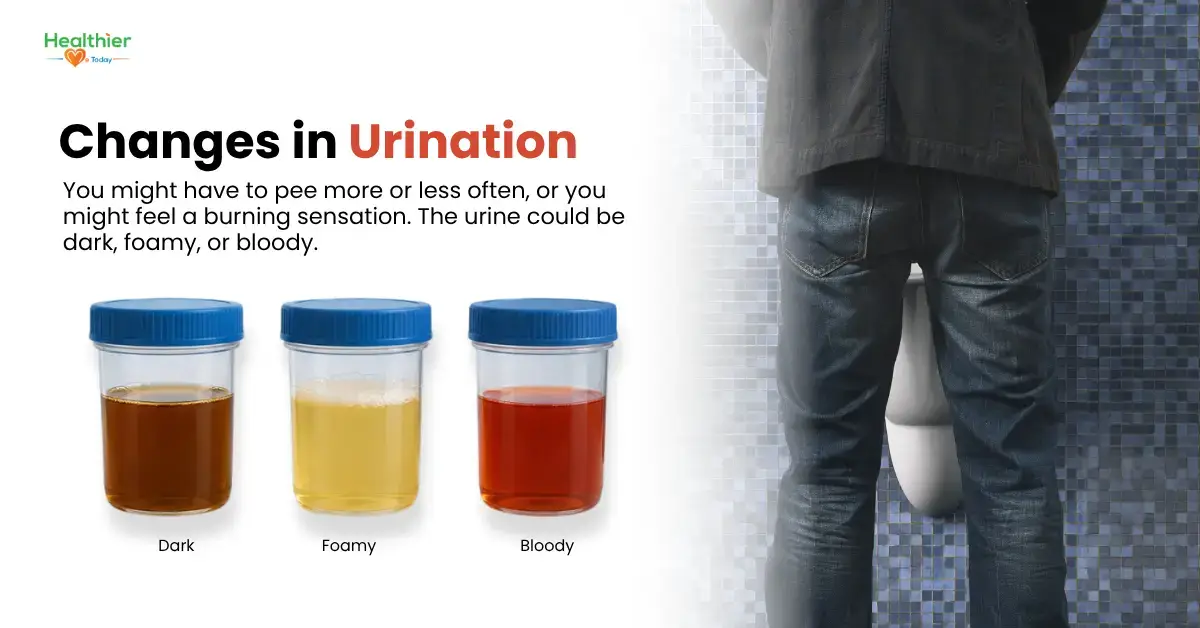
Kidney problems often start slowly, so it’s easy to miss the signs at first. If you pay attention to your body and notice small changes, you can catch problems early.
Common kidney disease symptoms you may notice include:
- Changes in urination – You might have to pee more or less often, or you might feel a burning sensation. The urine could be dark, foamy, or bloody.
- Fatigue and weakness – When waste builds up in the body, it can make you feel tired, even after a good night’s sleep. If you’ve noticed a change in the color of your urine, our urine color chart can help you understand what different colors may mean and when it’s a good idea to speak with a healthcare provider.
- Swelling (edema) – If you have fluid retention, your legs, ankles, feet, or hands may swell.
- Back or flank pain – You might feel a dull ache or pain in your lower back or on the sides, near where your kidneys are.
- Persistent nausea or loss of appetite – Kidney dysfunction can make it hard to digest food and cause nausea.
- Shortness of breath – Fluid buildup or anemia caused by kidney problems can make breathing harder.
- High blood pressure – Damage to your kidneys can raise your blood pressure without warning because they help keep it in check.
Knowing the early signs of kidney disease helps you get care before things get worse. If you notice things like swelling, feeling more tired than usual, or changes in how you urinate, these could also be early kidney failure symptoms. Paying attention to your body gives you a chance to get help sooner and take better care of your health.
Causes and Risk Factors
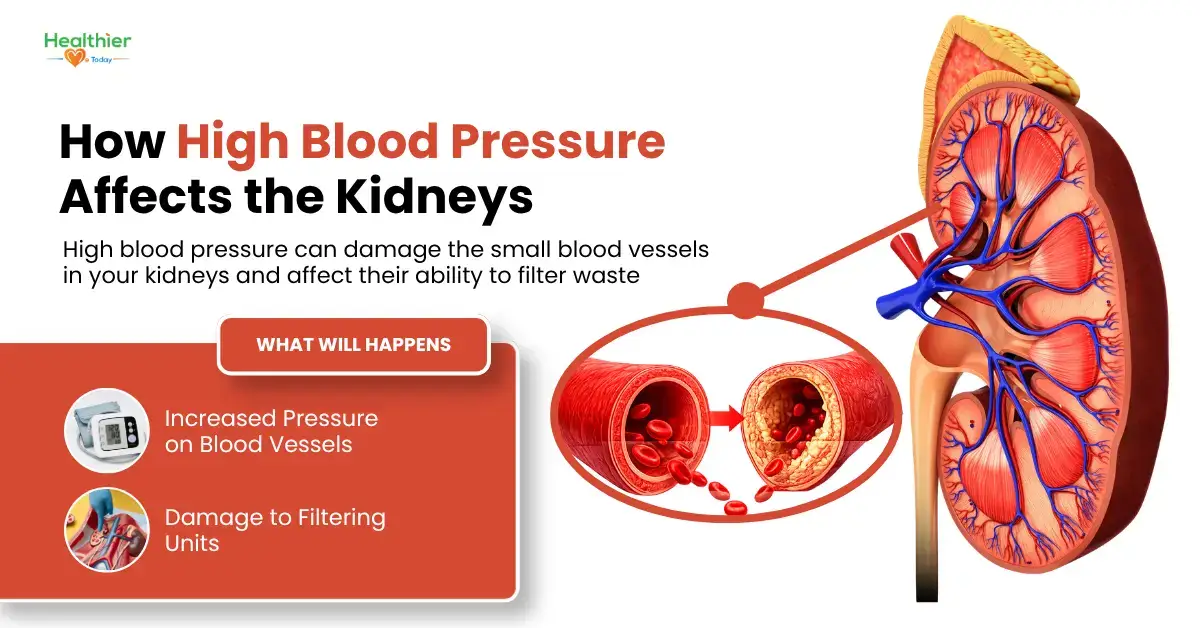
Kidney problems don’t usually happen all at once. Often, factors like chronic conditions, family history, or daily habits can gradually put stress on your kidneys. Understanding what causes kidney disease helps you take steps to reduce your risk.
Some common kidney disease causes and risk factors include:
- Diabetes – A condition in which your blood sugar is too high, which can harm the small blood vessels in your kidneys over time and make it harder for them to do their jobs.
- High blood pressure – High blood pressure can put extra stress on your kidneys and slowly damage the small blood vessels that help them filter out waste.
- Heart disease – If you have heart or blood vessel problems, they can make it harder for your kidneys to filter waste and work properly over time.
- Family history – If kidney disease runs in your family, you might be more likely to develop it yourself, since genetics can affect how your kidneys function.
- Age – As you age, your kidneys naturally become less efficient, which can increase the risk of kidney problems over time.
- Lifestyle factors – Being overweight, smoking, and eating a lot of processed foods or salt can all raise the risk.
Being aware of kidney disease risk factors and addressing them can help protect your kidneys and overall health.
How is Kidney Disease Diagnosed?
It’s a good idea to see a doctor if something doesn’t feel right or if you notice any unusual changes in your body. Your doctor will usually start by asking about your symptoms, lifestyle, and any family history of kidney problems. They may also do a simple physical exam to get a better overall picture of your health. From there, blood tests are often used to check how well your kidneys are working, while urine tests can show whether there’s protein or blood, which may be a sign of damage.
In some cases, your doctor might recommend imaging tests, such as an ultrasound or CT scan, to evaluate the size and structure of your kidneys. If more detail is needed, a biopsy, which is a small sample of tissue, may be taken to learn more about the condition. Understanding kidney disease diagnosis and treatment early on can help identify the stages of kidney disease and give you the chance to take steps to prevent kidney disease from getting worse and protect your long-term health.
Medical Treatment Options
The right kidney disease treatment depends on what’s causing the problem and how advanced it is. In many cases, the focus is on managing underlying conditions such as high blood pressure or diabetes, as these can put extra strain on your kidneys. Your doctor may give you medicine to help you keep your blood pressure under control, lower swelling, or keep certain minerals in your body in balance.
If your kidney function is more affected, treatment may also include changes to your diet and fluid intake to help your kidneys work more efficiently. In more advanced stages, options like dialysis may be needed to help remove waste from your blood, or in some cases, a kidney transplant may be considered [mayoclinic.org]. The goal of treatment is to slow down the damage, manage symptoms, and help you maintain a better quality of life.
Lifestyle Changes & Home Remedies
Alongside medical care, your daily habits can make a real difference in how well your kidneys function and how you feel overall. Taking small, consistent steps can help reduce strain on your kidneys and support your long-term health. It doesn’t have to be complicated; simple changes in your routine can go a long way.
You can start with a few practical habits:
- Stay hydrated – Your kidneys work better when you drink enough water, but you should always listen to your doctor about how much is right for you. Lemon perfect water has been a favorite among all ages because it tastes good and provides all the nutrients you need.
- Eat a balanced and low-sodium diet – Reducing your intake of salt and processed foods can help lower your blood pressure and ease the strain on your kidneys.
- Stay active – Moving around a lot is good for your health and helps maintain a healthy weight.
- Limit alcohol and avoid smoking – Too much alcohol and smoking can make your kidneys work harder and make it harder for them to filter waste.
You may also find these tools helpful to support your routine:
- Water bottle with time markers for hydration – It’s important to drink enough water so your kidneys can flush out waste and function properly. A water bottle with time markers can help you remember to drink water throughout the day and make it easier to spread out your water intake.
- Low-sodium diet cookbook – Eating less salt can help your kidneys work better and keep your blood pressure in a healthy range [nih.gov]. It can also guide you on foods to avoid with kidney disease, while giving you simple, kidney-friendly recipes that make it easier to plan meals and stick to a healthier diet.
- Digital weight scale – Keeping an eye on your weight can help you spot sudden changes, especially if your body starts holding onto extra fluid. Regular tracking makes it easier to notice these shifts early and take action if needed.
Building these habits into your daily life can help support your kidneys and make managing your health feel more doable over time.
Complications
People with kidney disease can usually take care of themselves and get better with the right treatment, but problems can happen if the disease gets worse or isn’t closely watched. Over time, the kidneys may not function as well, leading to fluid buildup, electrolyte imbalance, and rising blood pressure. In some cases, kidney disease that isn’t treated or that has gotten worse can lead to kidney failure, which means you need dialysis or a transplant.
Some people, like those with diabetes or heart problems, may be more likely to have problems and should pay close attention to their kidney health [cdc.gov]. By paying attention to changes in your body and working closely with your doctor, you can better manage kidney disease and lower your risk of serious problems in the future.
Outlook
Kidney disease can be scary, but the good news is that it can often be controlled, especially if it is found early. Kidney disease may not always be reversible, but the right combination of treatments, lifestyle changes, and daily habits can slow its progression and help you feel better every day.
You can learn how to prevent kidney disease and live a healthier, more balanced life by making simple, consistent choices, such as drinking enough water, eating kidney-friendly meals, and staying active.
Not sure whether you’re dealing with kidney disease or a kidney infection? While the two conditions can affect the kidneys, they have different causes, symptoms, and treatment approaches. Our detailed guide on kidney infections explains what to watch for, when to seek medical care, and how treatment can help prevent complications.
Frequently Asked Questions (FAQ)
What are the early signs of kidney disease? The early signs of kidney disease can be easy to miss, but you might notice that you are more tired than usual, that your legs or ankles are swelling, or that you are urinating more or less often. You might also have high blood pressure or just a general sense that something isn’t right.
What causes chronic kidney disease? People with chronic kidney disease often have diabetes, high blood pressure, or heart disease, which can slowly damage their kidneys over time. Genetics can also play a role, and your daily habits, such as diet, activity levels, and smoking, can also increase your risk.
How do doctors diagnose kidney disease? Doctors usually start with simple tests, such as blood and urine tests, to see how well your kidneys are working and whether there are any signs of damage. They may also use imaging tests, such as an ultrasound, or suggest a kidney biopsy to get a better look and confirm the diagnosis in some cases.
Can kidney disease be reversed or treated? In the beginning stages of kidney disease, the right treatment and lifestyle changes can often help manage it. These changes can slow down or even stop further damage. In more advanced stages, it usually can’t be reversed, but treatments like medication, dialysis, or a transplant can help you manage the condition and maintain your quality of life.
What foods should you avoid with kidney disease? If you have kidney disease, it’s best to limit foods that can put extra strain on your kidneys, like salty and highly processed foods, red meat, and foods high in phosphorus.
When should you see a doctor for kidney disease symptoms? See a doctor if you notice persistent fatigue, swelling, changes in urination, or any kidney failure symptoms. Early detection makes a big difference.