

Dealing with irregular periods can feel confusing and stressful. One month, everything feels normal, and the next, your period is late, early, or doesn’t show up at all. It can leave you wondering if something is wrong or if it’s just one of those things your body goes through from time to time.
In this guide, you’ll learn what irregular periods are, the symptoms to look out for, possible causes and risk factors, how they’re diagnosed, treatment options, and simple ways you can support your cycle naturally.
What are Irregular Periods?
If you notice that your period doesn’t show up at the same time every month, you might be dealing with an irregular menstrual cycle. This can mean your cycle is shorter or longer than usual, your period comes at unexpected times, or sometimes you skip it altogether. You might also notice changes in your flow, such as it being lighter or heavier than usual.
So, what is considered an irregular period? A normal cycle usually falls between 21 and 35 days. If your period comes much earlier, much later, or keeps shifting without a clear pattern, it may be considered irregular. Experiencing irregular periods but not pregnant or spotting patterns that don’t match your usual rhythm are common signs, and several factors can influence them.
Symptoms of Irregular Periods
When your cycle starts acting up, your body usually gives you some clues. Irregular period symptoms can show up in different ways, and they often vary from person to person.
Here are some common signs you might notice:
- Timing changes – Your period might come sooner or later than usual, or it might not come at all.
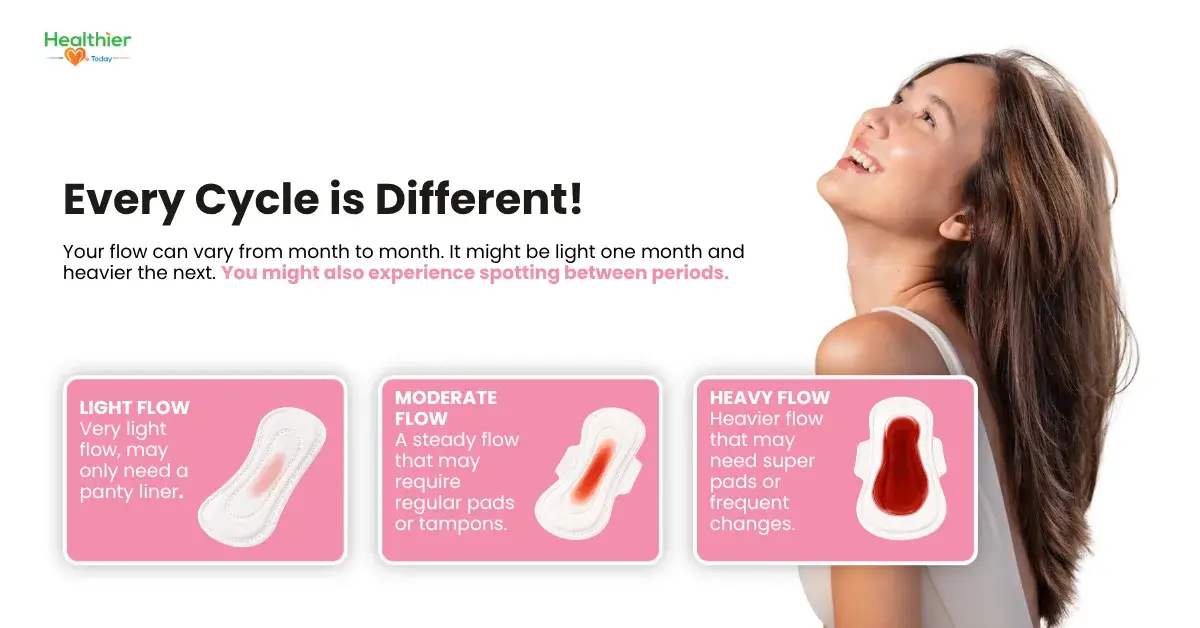
- Flow variations – Some months it might be very light, and other months it might be much heavier than usual. You might also see spotting between periods.
- Cramps and discomfort – Pain or period cramps may feel different from what you’re used to, sometimes more intense or lingering.
- Mood changes – You might feel more irritable, anxious, or emotional than usual before or during your period.
- Fatigue or low energy – You might feel more tired or drained than usual, even if your sleep hasn’t changed.
These changes are usually your body’s way of sending signals that something isn’t quite balanced. Paying attention to them can help you understand your cycle better and know when to seek advice.
Causes and Risk Factors
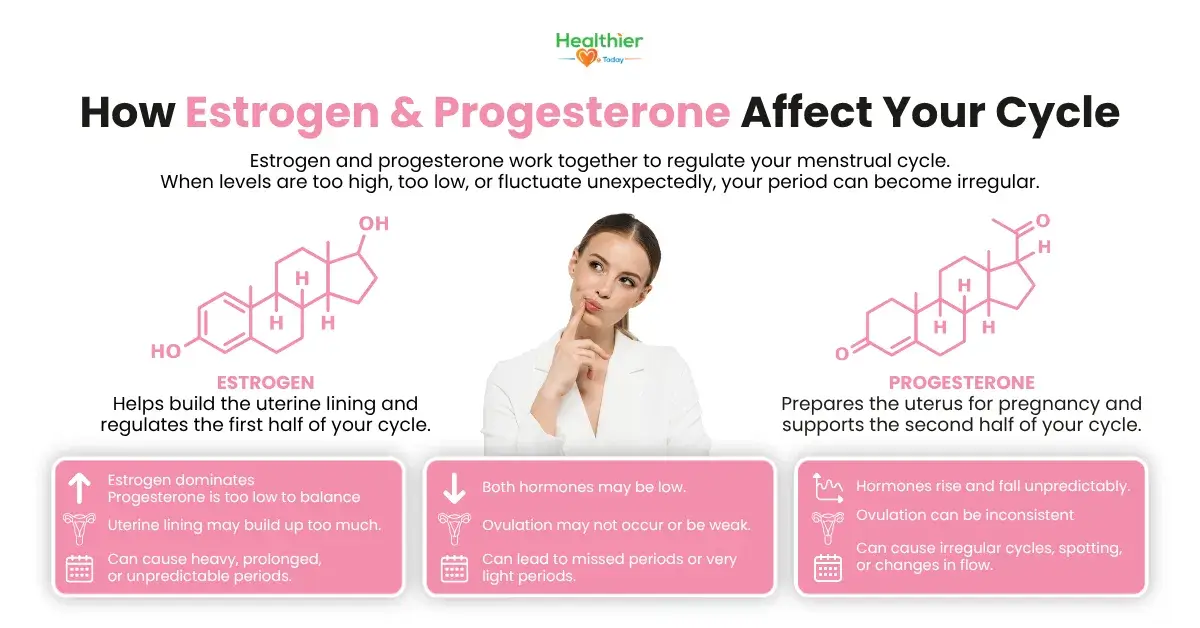
Your cycle can be affected by many factors, and most often it comes down to your hormones. Understanding what causes irregular periods can help you make sense of the changes and take steps to support your health.
Here are some of the most common causes of irregular periods and factors that can play a role:
- Hormonal imbalance – A balance of hormones like estrogen and progesterone controls your menstrual cycle. When these hormones are too high, too low, or fluctuate unexpectedly, your period can become irregular.
- Stress and lifestyle changes – When you’re under pressure, your body produces stress hormones that can interfere with ovulation and your cycle. See 10 natural ways to reduce stress!
- Weight changes – Gaining or losing a lot of weight can affect your hormones and throw off your cycle. Even small shifts in body fat can influence estrogen levels.
- Medical conditions – Certain health issues, like thyroid problems or other hormonal disorders, can affect your cycle and lead to missed or irregular periods.
- Medications – Certain medications, like birth control or other drugs that change hormones, can change when and how heavy your periods are.
It’s also important to remember that everyone’s body is a little different. Irregular periods in teens and adults can happen for many reasons, and what’s normal for one person might not be the same for someone else.
How Are Irregular Periods Diagnosed?
If your cycle has been off for a while, your doctor will usually ask about your symptoms, medical history, and lifestyle. They’ll want to know things like when your periods started, how long they usually last, and if there have been any changes in your weight, stress level, or routine lately. This helps them understand your pattern and identify possible triggers.
Your doctor may also do a physical exam and recommend tests, such as blood work to check your hormone levels. Sometimes, an ultrasound is used to get a closer look at your ovaries and uterus. These tests help figure out if there’s a hormonal imbalance or another underlying issue affecting your cycle.
Getting a proper diagnosis is important because it guides the right treatment plan. Once you know the cause of your irregular periods, it becomes easier to manage your cycle effectively, whether through medical treatment or lifestyle adjustments.
Medical Treatment Options
If your irregular periods keep happening or start affecting your daily life, it may be time to look at medical treatment. Understanding irregular periods causes and treatment can help you make informed choices and feel more in control of your cycle.
Common treatment approaches may include:
- Hormonal therapy – Doctors may recommend birth control pills, hormone patches, or other treatments to help regulate your cycle and balance your hormones.
- Medication for underlying conditions – If thyroid problems or other hormonal disorders are causing your irregular periods, treating the underlying condition can help restore a more regular cycle.
- Ovulation-regulating medication – In some cases, medication may be used to help your body ovulate more regularly, especially if ovulation is the main issue [reproductivefacts.org].
- Adjusting current medication – If certain medications are affecting your cycle, your doctor may suggest changing the dosage or switching to an alternative.
Medical treatment focuses on correcting what’s happening internally. Once the underlying cause is addressed, your cycle often becomes more regular over time.
Lifestyle Changes & Home Remedies
If you’ve been wondering how to fix irregular periods naturally, the focus is usually on creating healthy habits that support your hormones and reduce stress on your body.
Practical home remedies and supportive products you can include:
- Menstrual cycle tracking journal – Keeping a record of your cycle, symptoms, and patterns can help you learn more about your body. It is easier to see changes and identify what might be affecting your cycle if you keep a journal to track your cycle.
- Heating pad for cramps relief – A heating pad can help with pain and blood flow during your period, especially if you experience irregular cycles with cramps.
- Herbal tea for menstrual support – Herbal teas, like those made to help with menstruation, can help your body relax and may help keep your hormones in balance over time.
- Period pain relief patches – These easy-to-use, stick-on patches provide gentle heat to help ease cramps in a specific area, especially when you’re busy and on the go.
- Organic reusable sanitary pads – Using organic sanitary pads instead of regular ones may help your body by reducing your exposure to unnecessary chemicals, which can help with your cycle health.
Along with these, simple habits like getting enough sleep, managing stress, eating balanced meals, and staying active can make a real difference.
Complications
If irregular periods continue for a long time without being looked at, they can sometimes lead to other health concerns. Hormonal imbalances, for example, may affect your fertility, which can make it harder to fall pregnant when you’re ready [whattoexpect.com].
You might also find yourself dealing with ongoing discomfort, heavier or unpredictable bleeding, or even emotional stress from not knowing what to expect each month.
Over time, these changes can start to affect both your physical and mental well-being. That’s why you should pay attention to your body and know when to worry about irregular periods, especially if the changes are ongoing, severe, or different from what you’re used to.
Outlook
Living with an unpredictable cycle can feel frustrating at times, especially when you don’t always have clear answers. You might find yourself wondering, why is my period irregular, and whether it’s something serious or just a temporary change.
The good news is that most cases of irregular periods can be improved once you understand what your body needs. Small changes, the right support, and paying attention to patterns can go a long way.
Frequently Asked Questions (FAQ)
What are the most common causes of irregular periods? Hormonal imbalances, stress, weight changes, and conditions like PCOS are some of the most common causes. Your lifestyle can also have a big effect on how regular your cycle is.
What is considered an irregular menstrual cycle? If your menstrual cycle doesn’t follow a set pattern, it’s considered irregular. Most cycles last between 21 and 35 days. If your period comes much earlier, much later, or changes from month to month, it may not be regular.
Can stress cause irregular periods? Yes, stress can really affect your cycle. When you’re stressed, your body makes stress hormones that can mess with the hormones that regulate ovulation. This is a big part of how stress affects menstrual cycle patterns, which can make your periods come late, miss them, or be irregular.
When should you see a doctor for irregular periods? If your periods are always irregular, you miss a few of them, or you bleed very heavily or painfully, you should talk to a doctor.
Can hormonal imbalance cause irregular periods? Yes, when your hormones are out of balance, it can throw off your whole cycle. Hormonal changes affect ovulation, which means your period might come earlier, later, or sometimes skip a month altogether.
How can you regulate irregular periods naturally? Simple changes to your daily routine can help your cycle become more regular. You can make a difference by managing your stress, eating a balanced diet, staying active, getting enough sleep, and sticking to a healthy routine.
